
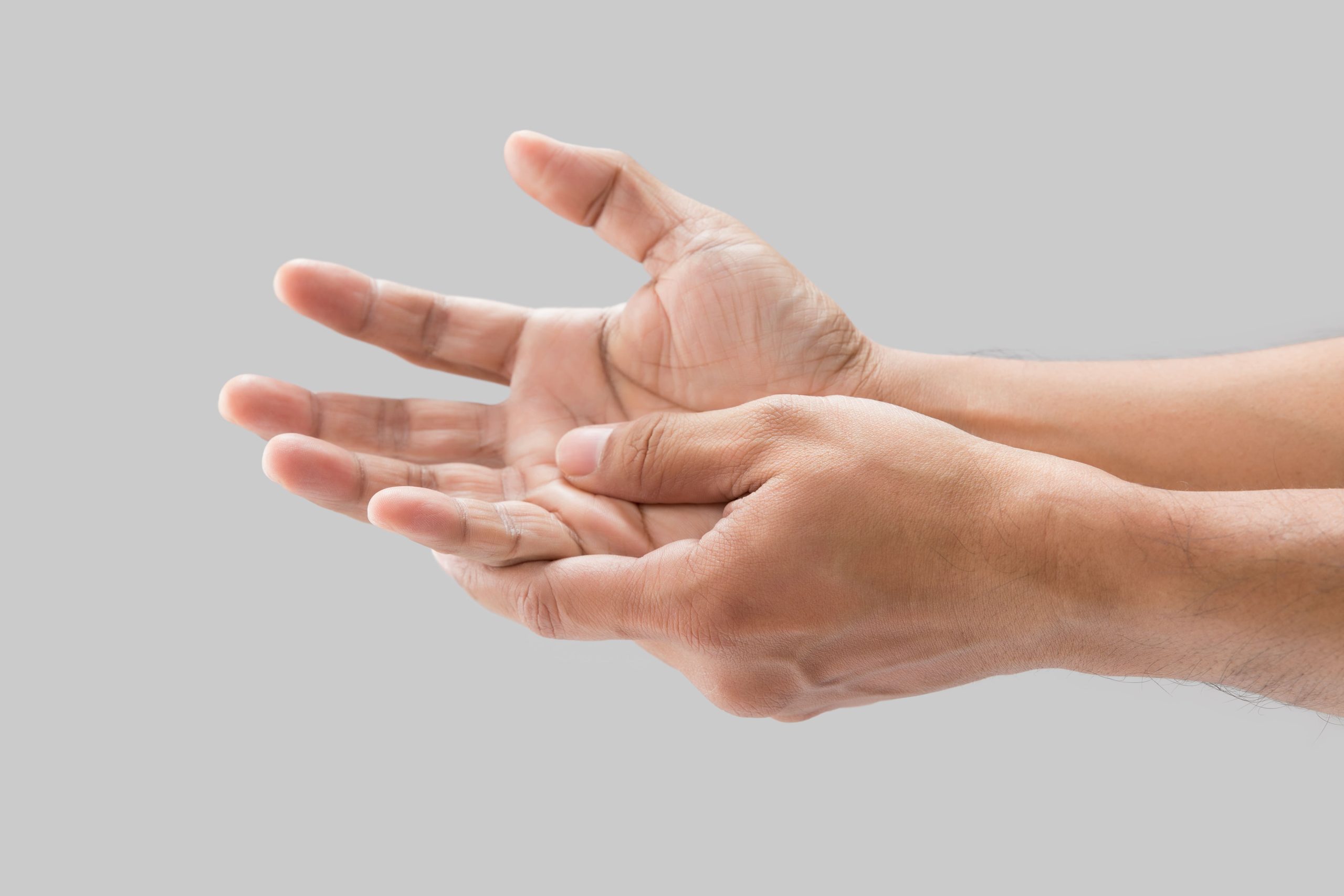
Hand pain is a common complaint that can arise from a variety of causes. The hand’s complex structure, which includes bones, joints, tendons, nerves, and muscles, makes it susceptible to numerous conditions that can lead to pain and discomfort. Understanding the different types of hand pain, their causes, symptoms, and treatment options is recommended for effective management and prevention.
Symptoms Associated with Different Types of Hand Pain
- Pain and Stiffness: Pain and stiffness in the hand can manifest in various forms, from a dull ache to sharp, intense discomfort. These symptoms are often indicative of underlying conditions such as arthritis or tendinitis.
- Swelling and Redness: Swelling and redness typically indicate inflammation or injury. These symptoms are often seen in conditions like rheumatoid arthritis or infections. Swelling can limit the range of motion and cause significant discomfort, while redness might signal an underlying inflammatory process.
- Numbness and Tingling: Numbness and tingling sensations, commonly described as “pins and needles”, are frequently associated with nerve compression or damage. Carpal tunnel syndrome is a well-known condition that causes these symptoms due to median nerve compression at the wrist.
- Weakness and Reduced Grip Strength: Weakness and reduced grip strength can result from muscular or neurological issues. Conditions like carpal tunnel syndrome, arthritis, or nerve injuries can impair hand function, making everyday tasks challenging. Persistent weakness should be evaluated to identify the underlying cause and appropriate treatment.
Common Causes of Hand Pain
- Arthritis: Arthritis is one of the common causes of hand pain and includes various types such as osteoarthritis and rheumatoid arthritis. Osteoarthritis involves the degeneration of joint cartilage, leading to pain, stiffness, and swelling. Rheumatoid arthritis, an autoimmune disorder, causes joint inflammation and can result in significant hand deformities if left untreated.
- Carpal Tunnel Syndrome: Carpal tunnel syndrome occurs when the median nerve is compressed as it passes through the carpal tunnel in the wrist. This condition leads to numbness, tingling, and weakness in the hand, primarily affecting the thumb, index, and middle fingers. Repetitive hand movements and certain health conditions increase the risk of developing carpal tunnel syndrome.
- Tendinitis: Tendinitis is the inflammation of tendons, the thick cords that attach muscles to bones. In the hand, tendinitis often affects the tendons involved in finger and thumb movements. Overuse, repetitive motions, and injuries are common causes of tendinitis, leading to pain and swelling in the affected area.
- Ganglion Cysts: Ganglion cysts are noncancerous lumps that commonly develop along the tendons or joints of the hands and wrists. These fluid-filled cysts can cause pain and discomfort, especially if they press on nearby nerves. The exact cause of ganglion cysts is unknown, but they are often associated with joint or tendon irritation.
- Fractures and Sprains: Fractures and sprains result from injuries to the bones and ligaments in the hand. A fracture is a break in the bone, while a sprain involves stretching or tearing of ligaments. Both conditions can cause severe pain, swelling, and bruising. Prompt medical attention is important for proper diagnosis and treatment to ensure optimal healing and function.
Diagnosing Hand Pain
Physical Examination
A thorough physical examination by the doctor is the first step in diagnosing hand pain. The examination includes assessing the hand’s range of motion, strength, and areas of tenderness. The doctor may also evaluate the patient’s medical history and any recent injuries or repetitive activities that could contribute to the pain.
Imaging Tests
Imaging tests, such as X-rays, MRI, or ultrasound, are often used to diagnose hand pain. X-rays can reveal fractures, joint abnormalities, and signs of arthritis. MRI and ultrasound provide detailed images of soft tissues, including tendons, ligaments, and nerves, helping to identify conditions like tendinitis or nerve compression.
Treatment Options for Hand Pain
Medications
Medications are often the first line of treatment for hand pain. Nonsteroidal anti-inflammatory drugs (NSAIDs), such as ibuprofen, can reduce pain and inflammation. In cases of arthritis or severe inflammation, corticosteroids may be prescribed.
Surgical Interventions
Surgical interventions may be necessary for severe or persistent hand pain that does not respond to conservative treatments. Common surgical procedures include carpal tunnel release for carpal tunnel syndrome, tendon repair for tendinitis, and joint replacement for advanced arthritis. Surgery aims to relieve pain, restore function, and prevent further damage.
Preventing Hand Pain
- Ergonomic Adjustments: Ergonomic adjustments in the workplace and daily activities can help prevent hand pain. This includes using ergonomic keyboards and tools, maintaining proper hand and wrist positioning, and taking frequent breaks to reduce strain. Ergonomic assessments and modifications can significantly reduce the risk of developing repetitive strain injuries.
- Regular Exercise and Stretching: Regular exercise and stretching strengthen the muscles and improve flexibility, reducing the risk of hand pain. Specific hand exercises can enhance grip strength and dexterity. Stretching exercises help maintain the range of motion and prevent stiffness, particularly beneficial for people with arthritis or tendinitis.
- Protective Gear: Using protective gear, such as wrist braces or splints, can prevent injuries and provide support during activities that strain the hands. Athletes and people engaged in repetitive tasks may benefit from wearing protective gear to reduce the risk of sprains, fractures, and tendinitis.
- Healthy Habits: Adopting healthy habits, such as maintaining a balanced diet, staying hydrated, and avoiding smoking, contributes to overall hand health. A diet rich in anti-inflammatory foods can also reduce the risk of conditions like arthritis. Adequate hydration and avoiding smoking promote optimal circulation and tissue health, reducing the likelihood of hand pain.
Conclusion
Hand pain can significantly impact daily activities and quality of life. Understanding the different types of hand pain, their causes, symptoms, and treatment options is recommended for effective management and prevention. Early diagnosis and appropriate treatment can alleviate pain and restore hand function. Adopting preventive measures, such as ergonomic adjustments and regular exercise, can reduce the risk of hand pain and enhance overall hand health.